
Research and Resources on ur gut®
Scientific and evidence-backed gut health solution or fake claims?
Check out our research on gut health and the link to our clinical trials using ur gut®
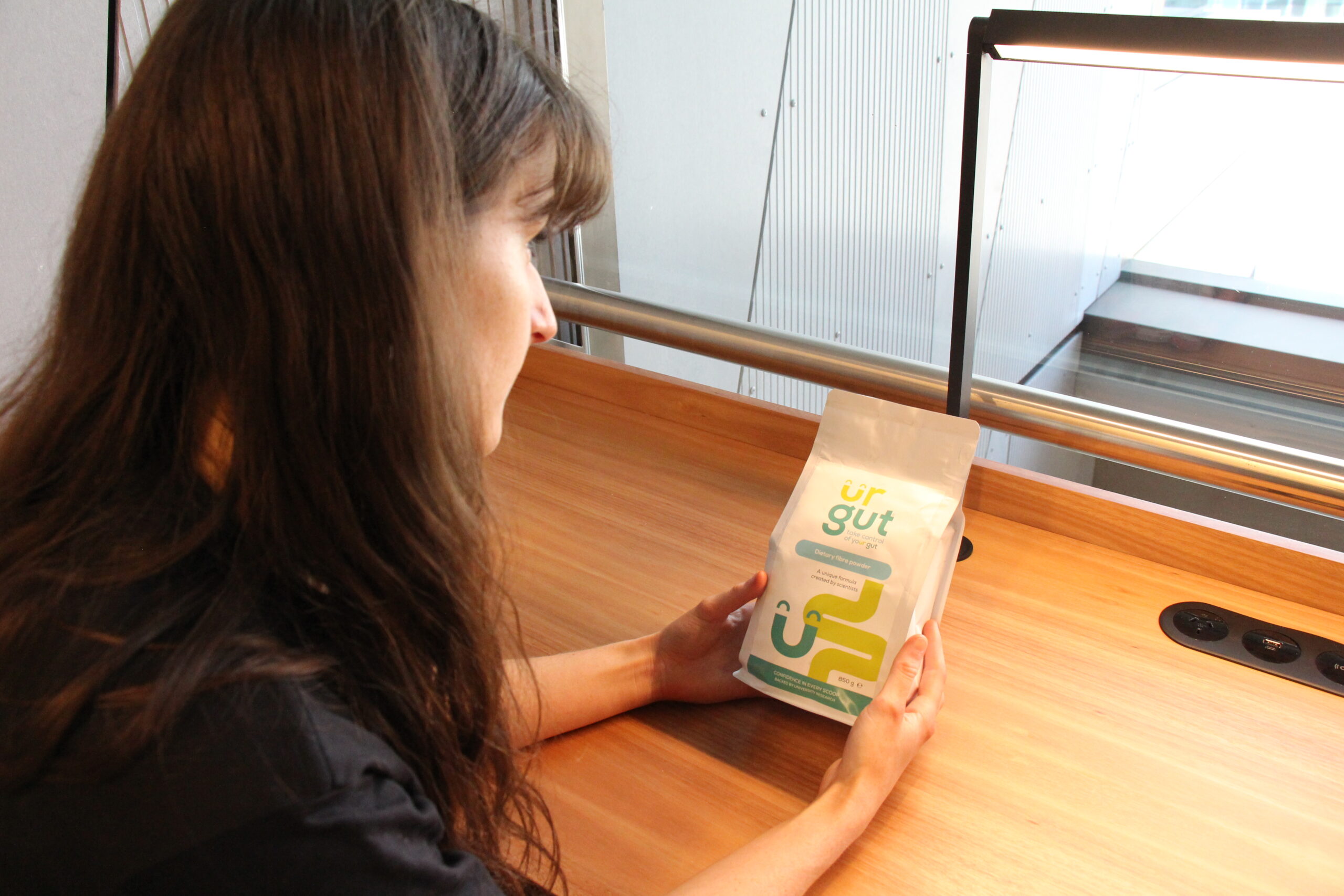




Clinical Trial Results
Our clinical trial using ur gut® involved 26 individuals with Irritable bowl syndrome (IBS), after three weeks of using ur gut participants had improved outcomes with their gut and mental health.
The serving of 40g daily increase dietary fibre to the recommended levels, through research we conducted that IBS suffers were not getting enough resistant starch intake ( a key ingredient of ur gut®)
We designed a study to test our fibre powder for four weeks, in our study we assess diet quality, gut microbota, mental and health, sleep and quality of life.
26 people were assigned with ur gut or a placebo.
We measured sleep using a capture device that tracks sleep data. Gut symptoms were monitored using a questionaire. We found ur gut changed participants gut microbiome by adding more good bacteria and less inflammation.
ur gut® reduced anxiety related digestive issues and improved aspects of participants quality of life, including sexual wellbeing. These improvements occoured without major changes in their overall diet, reporting lower calorie intakes.
Check out our latest newsletter!
Research answered on the science of urgut®
Healthcare Professional Resources
What our Customers are Saying
“I’ve used so many different treatments across my life, to try and manage the persistent symptoms and discomfort cause by my psoriasis, such as topical steroids, diet management, light therapy and even systemic drugs, all with varying levels of relief”
“I noticed my bowel habits improved, but more importantly, my psoriasis symptoms were delayed. The itchiness that started at about 7 weeks (after each injection), was pushing out to about week 10, and I just feel better too. I definitely have more energy”.
Helen
“I have suffered with stomach issues for many years after weight loss surgery including bloating, acid reflux and constipation, which has been very uncomfortable and made me feel pretty awful,”
“Despite trying various antacid medications and fibre supplements for several years, my issues with persisted. “
“I mix the powder into smoothies, porridge, overnight oats or soup, and everything started working. I felt less bloating and the constipation was gone.
“I have much more energy and I feel human again!”
Lisa
After years of being told her pain was "just growing pains", Ellie was finally diagnosed with gluten intolerance at 21 - bringing relief after years of migraines, lethargy, joint pain and digestive issues.
"I have a protein smoothie every morning, so I put a scoop of ur gut into that, which makes it easy to take. I have found that my symptoms don’t get exacerbated as badly when I am taking ur gut, and my digestion has been great. I have also found that my mental health has improved, and I know there’s a connection between gut health and mental health."
For Ellie, the biggest benefit is how simple it is to incorporate into her existing routine while helping her feel better overall.
Ellie
Try ur gut® today.
More resources
Frequently Asked Questions
What is the main ingredient in ur gut®?
ur gut® is primarily made from resistant starch, a type of dietary fibre that resists digestion in the small intestine and ferments in the large intestine—feeding beneficial gut bacteria
What is the best way to use ur gut®?
Start with a teaspoon of ur gut® sprinkled on your breakfast foods, added to a smoothie, or juice, or mixed into yoghurt. Build up slowly, drinking plenty of water. 8 teaspoons a day of ur gut® can be the optimum dose for some (Not in one go! Separate it into 2~3 times a day), but you do you! If 2- 4 teaspoons a day works well, then stay with that!
Is ur gut® gluten-free?
Yes, ur gut® is gluten-free, and also dairy free, is low in sodium and FODMAPs and has no added sugar or artificial colours. It’s also vegan.
Is ur gut® vegan-friendly?
Yes, resistant starch is plant-based and suitable for vegan diets.
How much fibre does each serving contain?
In 20g or one serving of ur gut® there is 11g of dietary fibre and about 7g of resistant starch, that is about half your recommended daily intake per day.
How do I know it will work?
ur gut® has been tested in ECU-led clinical trials that were conducted on people with IBS symptoms who were following a diet low in FODMAPs

About Us
Learn More
© 2025 Edith Cowan University. All Rights Reserved
Australian Patent Application 2023902137
PCT/AU2024/050721